
Written and medically reviewed by Dr. Lau Han Wei, Principal Dental Surgeon
Published · Last updated · 10 min read
Most people are suitable for Invisalign. Mild to moderate crowding, gaps, and many bite problems are all well within what clear aligners handle in 2026. The cases that genuinely need fixed braces are narrower than they were a decade ago.
What surprises people is that the deciding factor is usually not their teeth. It is whether they will wear the trays 20 to 22 hours a day for a year or more. Aligners only work while they are in your mouth, and that single habit separates a good result from an expensive disappointment more often than any clinical finding does.

The short answer
| Invisalign is a good fit if | Think again if |
|---|---|
| Mild to moderate crowding or spacing | Severe rotations, especially canines |
| A mild overbite, underbite or crossbite | A bite problem needing jaw surgery |
| You keep to routines without reminders | You already know you would forget |
| Gums and teeth are healthy, or fixable first | Active gum disease, untreated decay |
| Jaw growth has finished, or Invisalign First for children | Teeth still erupting mid-treatment |
| Discretion at work or socially matters to you | Lowest possible cost is the priority |
Almost nothing in the right-hand column is a permanent no. Gum disease gets treated, decay gets filled, children grow. The one that does not resolve itself is the third row.
What Invisalign genuinely fixes
Clear aligners have moved on considerably. Attachments — small tooth-coloured bumps bonded to specific teeth — give the trays something to grip, which is what allows movements the early systems could not manage. In practice that covers:
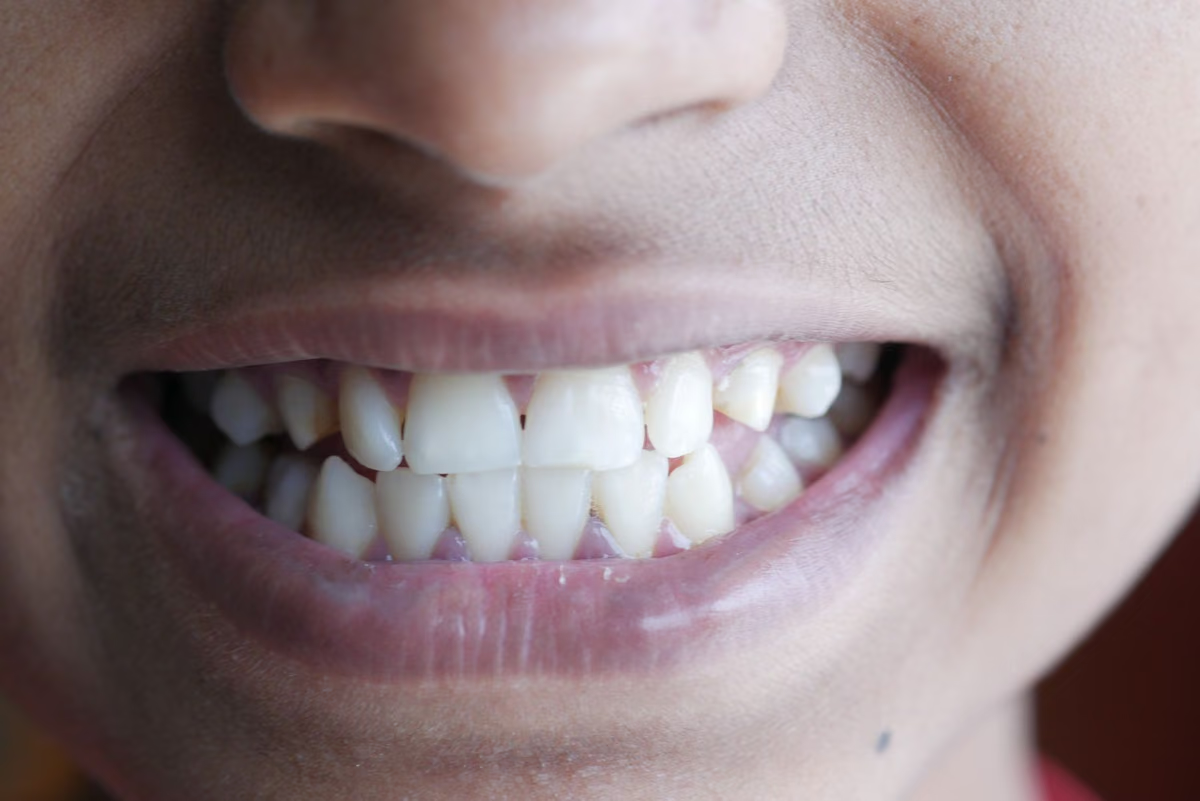
- Crowding, from a single overlapping front tooth to moderately crowded arches
- Spacing and gaps, including the midline gap people most often come in about
- Mild to moderate overbite, underbite and crossbite
- Relapse after old braces where a retainer was abandoned — often a short course
- Tipping and minor rotations of most teeth
If you are looking at your own teeth and thinking the problem is small, it almost certainly is treatable. The cases where we have the longer conversation are the ones that look severe in the mirror, and even some of those turn out fine once scanned.
Where fixed braces still win
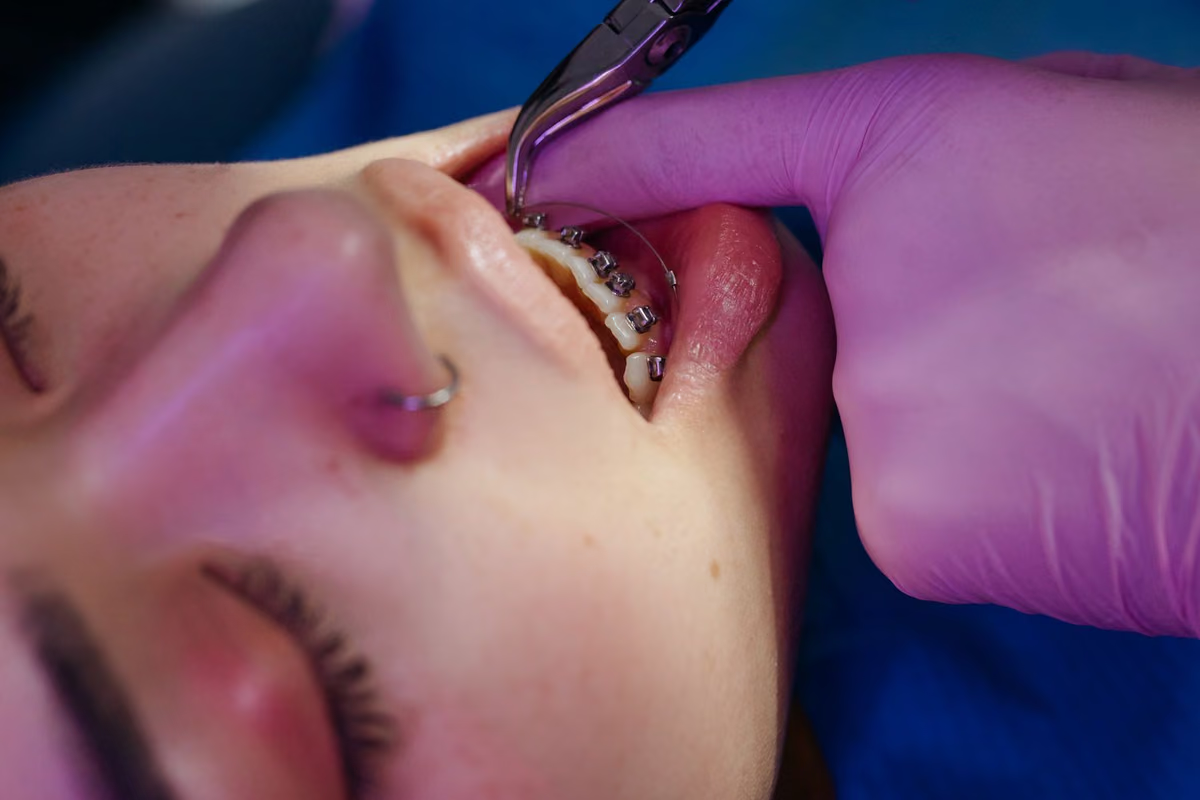
Narrower than most people expect, but real. Fixed braces remain the better clinical choice for:
- Large vertical movements. Pulling a tooth down into the arch or pushing one up is something brackets and a wire do more predictably.
- Significant rotation of round-rooted teeth. Canines and premolars are the usual difficulty — a round root gives the aligner little to push against.
- Closing extraction spaces. Where teeth have been removed to create room, moving the remaining teeth bodily across the gap is heavy work.
- Substantial bite correction, particularly skeletal problems where the jaws themselves are mismatched rather than the teeth.
Worth saying plainly: being told braces suit your case better is not a downgrade. A completed course of braces beats an aligner case that stalls halfway, and the price gap at entry level is around RM200. Our comparison of the two goes through the trade-offs in full.
The habit that decides your result
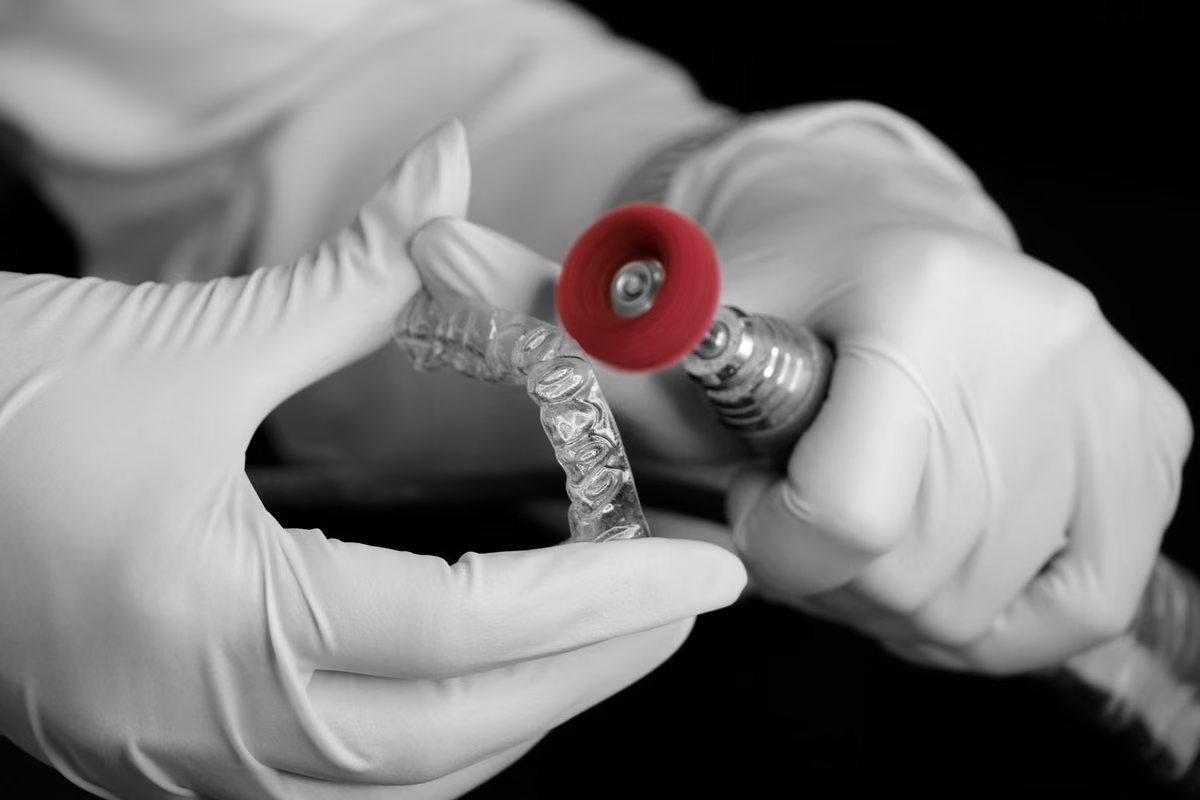
This is the real suitability question, and the one least often asked honestly. Aligners work 20 to 22 hours a day. That leaves roughly two hours for all your meals, drinks other than water, and brushing. It is not a guideline; it is the mechanism.
What slipping actually costs you: treatment stretches beyond the estimate, the teeth stop tracking the plan, and you need refinements — a second batch of aligners to recover ground. In the worst cases patients switch to braces partway through and do not get the aligner cost back.
So the useful self-test is not about willpower in the abstract. It is practical:
- Do you graze through the day, or eat at set times? Grazing is the single biggest enemy of wear time.
- Does your work involve frequent eating or drinking with clients?
- Would you remember to put them back in after lunch, every day, for a year?
- Are you comfortable removing them in front of other people?
If several of those give you pause, say so at the consultation. We would far rather recommend a fixed appliance at the start than manage a stalled aligner case at month eight.
What has to be sorted first
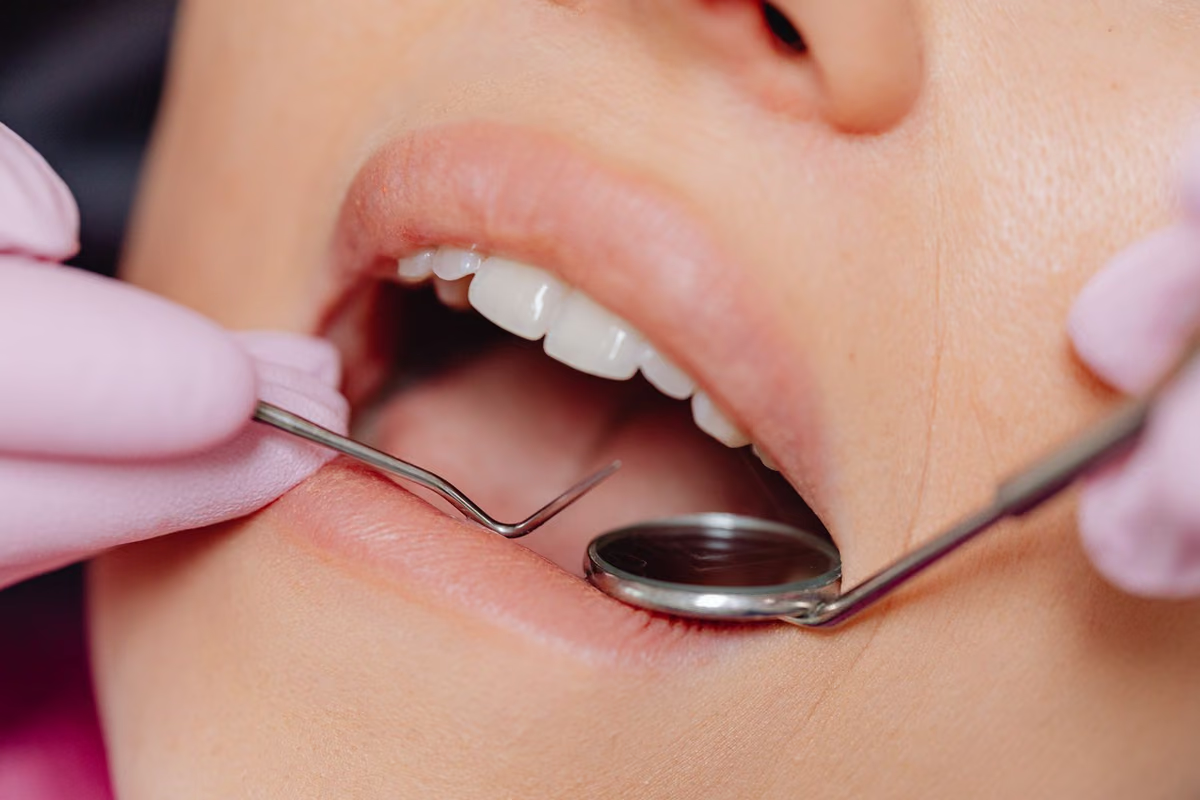
None of these rule you out. They change the order of things.
| Finding | What happens |
|---|---|
| Active gum disease | Treated first. Moving teeth through inflamed gums can worsen bone loss |
| Untreated decay | Filled before scanning, since the tooth shape has to be final |
| Heavy plaque or tartar | Scaling appointment; aligners trap whatever is already there |
| Old crowns or veneers | Usually fine, but attachments bond less reliably to porcelain |
| Grinding or clenching | Manageable, and the trays even protect the teeth — but it changes the plan |
| Smoking | Not a barrier, though trays stain and gum health needs closer watching |

Age: from six to seventy
There is no upper limit. Healthy teeth and gums decide suitability, not the year on your IC, and a good share of our orthodontic patients are adults in their thirties and forties who decided they had waited long enough. Treatment works the same way at 55 as at 25, sometimes a little slower.
At the younger end there are two distinct situations. Invisalign First is made for children roughly six to twelve, while the jaw is still growing and the aim is to guide development rather than straighten a finished adult set. Teenagers do well when they are genuinely reliable — the trays carry compliance indicators that fade with wear, so nobody has to take anyone's word for it.
The one real constraint is unfinished growth. Teeth still erupting, or a jaw still changing shape, will undo work done too early. That is a question of timing, not of suitability.
What the scan actually settles
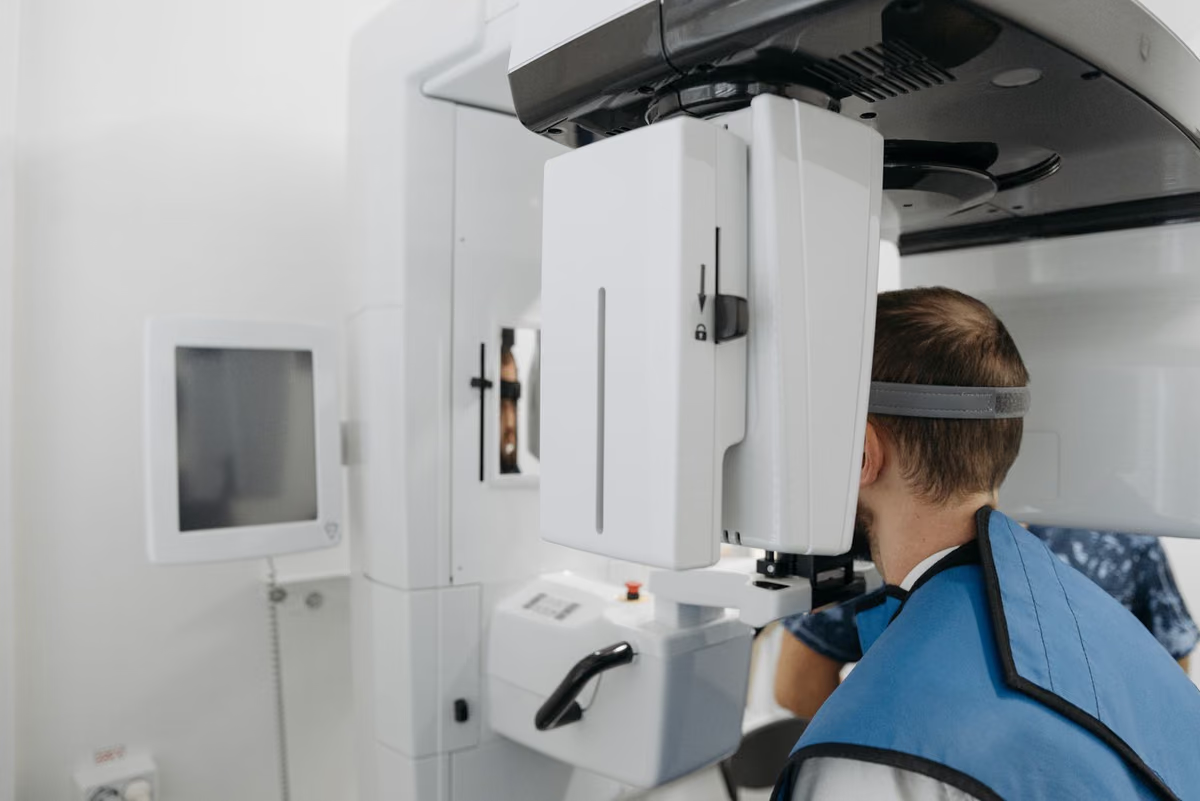
Everything above is general. Your own answer comes from an examination and an iTero scan, because the things that decide suitability are mostly invisible in a mirror:
- Root position and length — how far each tooth can safely be moved
- Bone level — whether there is enough support for the movement planned
- How the teeth actually meet, which rarely matches how the smile looks
- Whether space needs creating, and if so, by slenderising or extraction
The scan also produces a simulation of the likely result before you commit anything, which is the point at which the question stops being hypothetical. A clinic that tells you whether you are suitable without scanning you is guessing.

If Invisalign is not right for you
You have options, and the gap between them is smaller than most people assume:
| Option | Our price | Suits |
|---|---|---|
| Conventional metal braces | RM5,800 | Any case; lowest cost; nothing to remember |
| Genius self-ligating | RM6,800 | Fewer adjustment visits |
| Damon self-ligating | RM7,300 | Low-friction system, still fixed |
| Invisalign | RM6,000 – RM18,000 | Discretion and removability, if you will wear it |
Ceramic brackets narrow the appearance gap at lower cost than aligners — our guide to invisible braces in Malaysia covers all three discreet routes. The full cost breakdown, including the 0% monthly plans, is in the Invisalign price guide, and every figure sits on the published price list.
Finished cases from both routes are in our before and after gallery. Results vary between patients — those are individual cases, not a typical outcome. You can check any dentist's registration with the Malaysian Dental Council before starting treatment anywhere.
Getting a real answer
One appointment settles it. The examination checks gum health and decay, the iTero scan shows root position and produces a simulation of your likely result, and you leave knowing rather than guessing. Our Invisalign treatment page covers how the process runs from there, and the consultation is RM30 — waived if you begin treatment the same day.
This article is for general information and is not a substitute for a clinical assessment. Suitability, treatment duration and cost are individual to each patient and confirmed only after examination. Back to top