
Written and medically reviewed by Dr. Lau Han Wei, Principal Dental Surgeon
Published · Last updated · 11 min read
Invisalign attachments are small tooth-coloured bumps bonded onto some of your teeth to give the aligners something to grip. Without them a smooth tray can tilt a tooth. With them it can rotate one, pull one down, or close a gap the plastic would otherwise just slide over.
They are also the part of Invisalign that patients find out about last, which is why the question usually arrives with a note of betrayal. Here is what they are, how many you are likely to get, what the appointment feels like, and whether you can say no to them.

The short answer
| Question | Short answer |
|---|---|
| What are they made of? | Dental composite — the same material as a white filling |
| Will everyone need them? | No. Simple cases often finish without any |
| How many? | From none to most teeth in an arch; the plan decides |
| Are they visible? | Up close, yes — more so with the trays out than in |
| Does bonding hurt? | No drilling, no injection; the trays feel tighter afterwards |
| Can they be removed early? | Yes, but the plan they belong to usually stops working |
| Do they damage enamel? | Not when polished off properly; plaque around them is the real risk |
What they actually are
An attachment is a bead of dental composite resin, shaped and bonded onto the front surface of a tooth. Composite is the tooth-coloured material used for white fillings, so it is not something exotic and it is not metal. Align's own name for them is SmartForce attachments. Everyone else calls them bumps, dots or buttons.
They are matched to the shade of your enamel, which is why they are surprisingly hard to see in photographs and surprisingly easy to feel with your tongue. The honest version of “are they visible?” is this: with the aligners in, the plastic covers and diffuses them and most people never notice. With the aligners out — eating, or talking to someone across a table — a close-up observer can see texture on the teeth that was not there before.
Attachments and buttons are not the same thing
These two words get used interchangeably online and they are not actually the same, which causes a lot of confusion when patients compare notes.
| Attachment | Button | |
|---|---|---|
| Purpose | Gives the tray grip on the tooth | Anchors an elastic band |
| Sits | Under the aligner | Often through a cut-out in the aligner |
| Material | Tooth-coloured composite | Composite or metal |
| How common | Most moderate cases | Only cases using elastics for the bite |
So if a friend tells you they had metal buttons and rubber bands, that is a bite correction, not the same thing as the composite bumps nearly everyone else is describing.
What they do that plain plastic cannot
A tooth is a smooth, rounded, slippery object. A tray of smooth plastic placed over it can squeeze it, which is enough to tip a tooth sideways. It is not enough to do anything more interesting than that, because there is nothing for the plastic to catch on. An attachment is the thing to catch on. Specifically:
- Rotation. Turning a tooth around its own axis needs push on one side and resistance on the other. Round-rooted teeth — canines and premolars especially — barely rotate at all without help.
- Extrusion. Pulling a tooth down into the arch is the single hardest thing to ask of a clear aligner. The tray has to grip and lift, and without an attachment it simply slides off.
- Bodily movement. Moving a whole tooth sideways, root and all, rather than just tipping the crown over — the movement that closes extraction spaces.
- Retention. Some attachments exist mainly to hold the tray down so it does not lift off the back teeth. Less glamorous, quietly important.
Why yours look different from someone else's
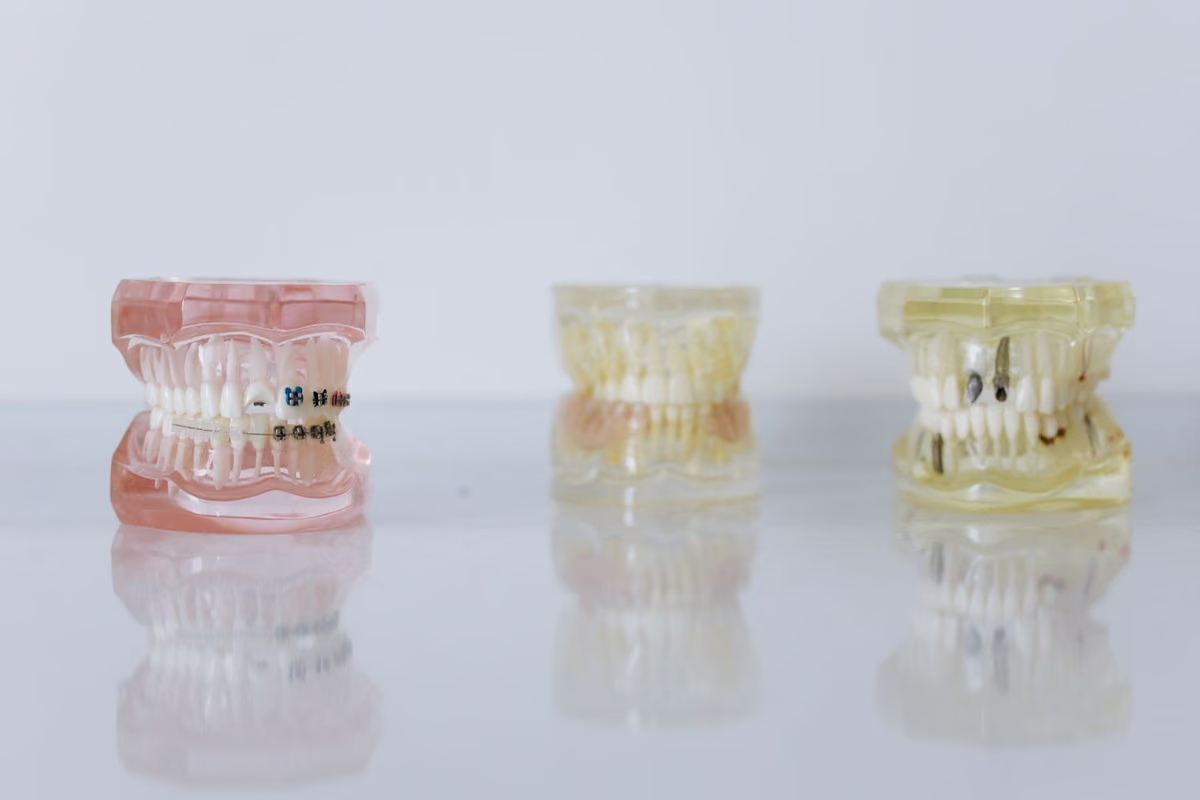
Attachments are not one shape. The shape is chosen for the job, which is why a friend's mouth can look nothing like yours even on the same brand of treatment.
| Shape | Usually used for |
|---|---|
| Rectangular | General control, including root position; the most common |
| Ellipsoid | Rotation, often on canines |
| Bevelled | Directing force one way — extrusion and intrusion |
| Optimised | Shapes the planning software generates for a specific movement |
That last row is worth understanding. Optimised attachments are not picked off a menu by the dentist — the software designs the geometry around the movement it has planned for that specific tooth. Two people with identically crooked front teeth can end up with different shapes because the route each tooth takes is different.
How many you will get
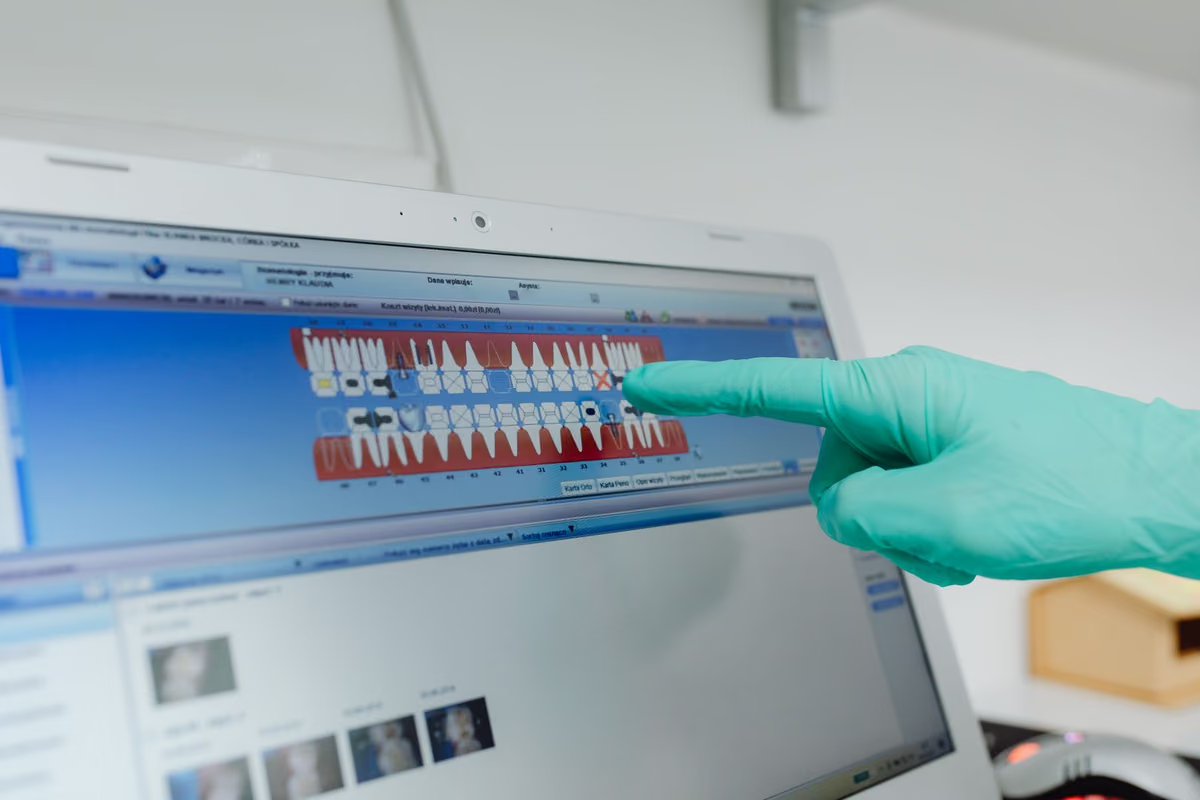
Here is the straight answer. There is no standard number. It runs from none at all to an attachment on most teeth in an arch, and the figure comes from the movements in your plan rather than from how bad your smile looks to you.
Very roughly, a short cosmetic case that is mostly tipping front teeth may use a handful or none. A full case involving rotations and bite work commonly lands in double figures across both arches. If you have seen the number twenty and flinched, that is about ten per jaw — busier than average, well inside normal.
The counter-intuitive part: more attachments is usually a sign of a more carefully built plan, not a worse set of teeth. A plan with very few on a complex case is the one to ask questions about, because the movements still have to come from somewhere.
The appointment where they go on
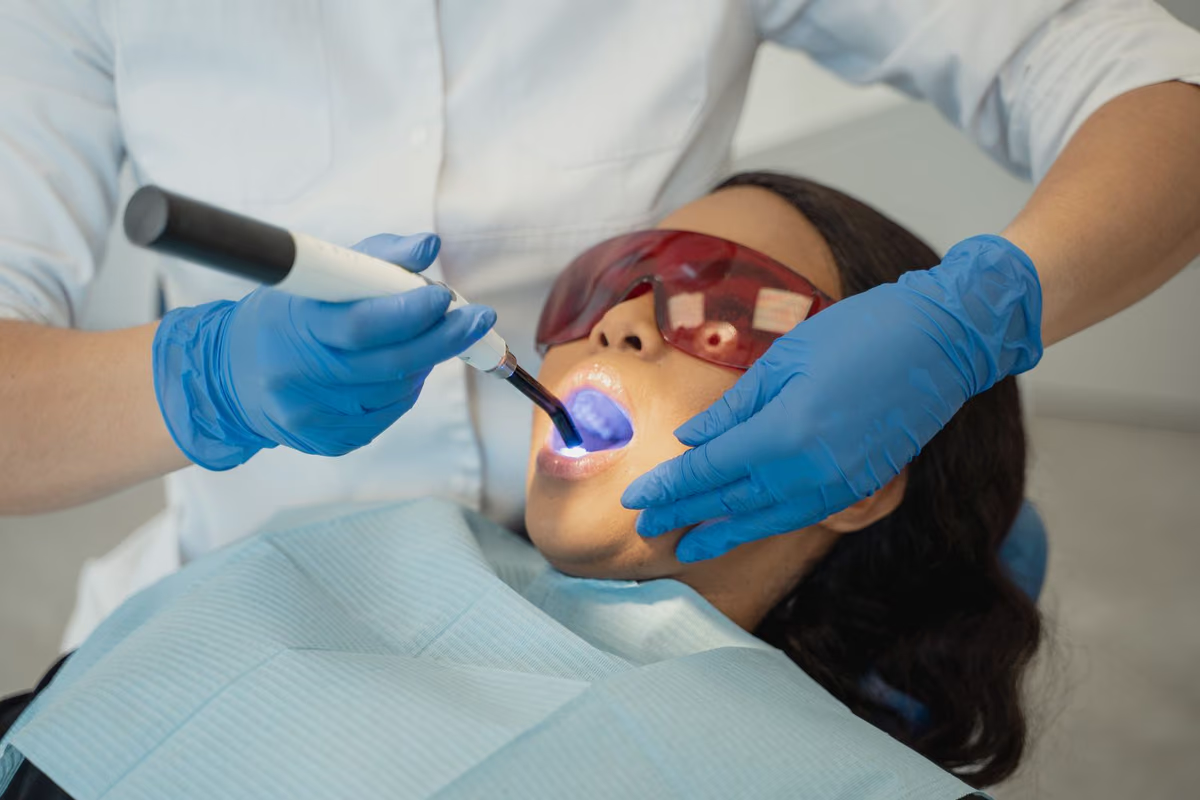
Usually under an hour, and most of it is preparation rather than anything happening to you. The sequence:
- Teeth are cleaned and dried, then conditioned so composite will bond to enamel.
- A clear template tray, moulded with small wells where each attachment goes, is loaded with composite.
- The template is seated over your teeth, pressing composite into position.
- A curing light sets each one hard — seconds per tooth.
- The template comes off, excess is trimmed and polished, and your first real aligner goes in.
No drill, no injection, nothing removed from the tooth. The discomfort people report is not from the bonding at all — it is from the first aligner afterwards, which grips far harder than the trays did during any try-in. Expect a few days of pressure and a slightly odd feeling against your lips.
Living with them day to day
Four things change, and all four are manageable once you know about them.
- The trays get harder to remove. That is the attachments doing their job. Start at the back and work forward rather than pulling from the front teeth.
- They can stain. Composite resists staining but does not ignore it. In Malaysia the usual suspects are kopi, teh tarik, curry and cigarettes — and the worst habit is sipping something dark with the trays out and not rinsing. A stained attachment can be polished or replaced; it does not have to be lived with.
- They can feel sharp at first. Not actually sharp — the edges are rounded — but unfamiliar against the inside of the lip. If one genuinely catches after the first week, it can be smoothed in minutes. Do not file it yourself.
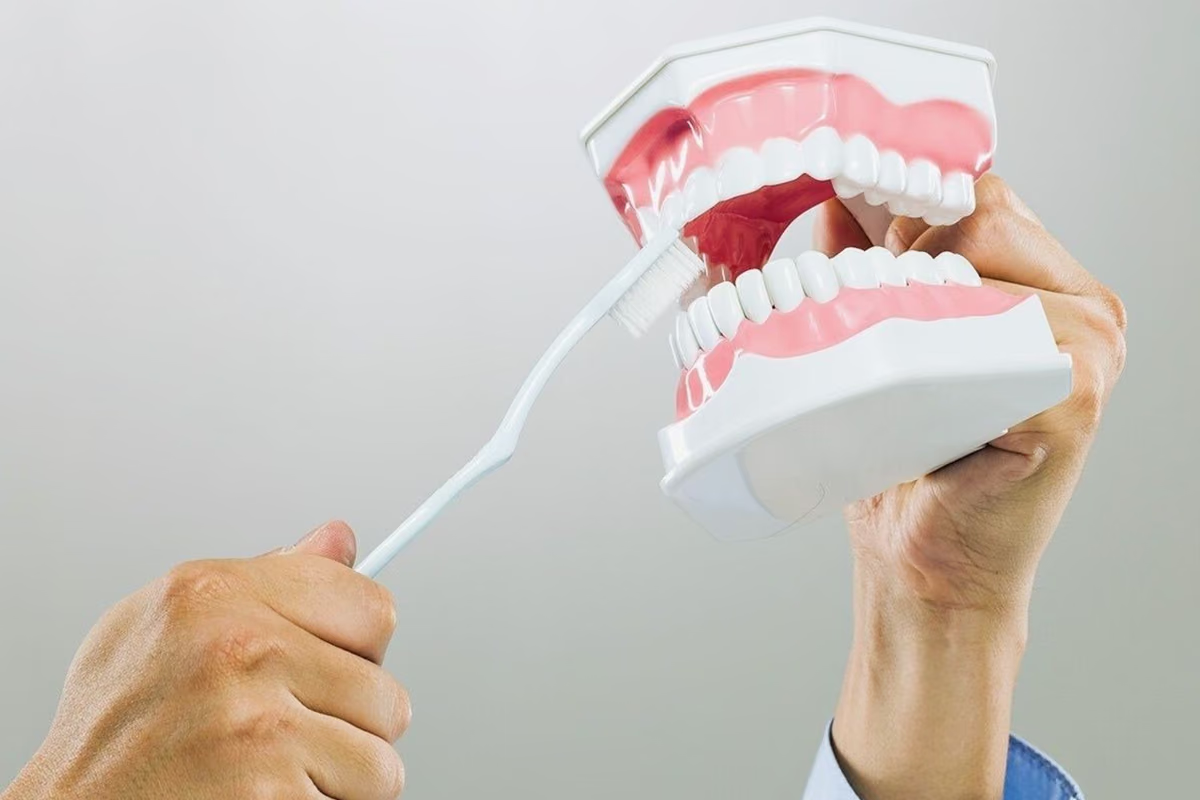
- Plaque gathers at the base of each bump. This is the one that matters. Angle the brush at the join between composite and tooth, and floss normally. Eighteen months of lazy brushing around an attachment is how people end up with a pale patch when it comes off.
When one falls off
It happens, it is not common, and it is not an emergency. Usually it is biting something hard, or levering an aligner off from the wrong end.
What to do: keep wearing your current aligner and call the clinic to have it re-bonded at a convenient appointment. What not to do: stop wearing the trays, skip ahead to the next one, file the remaining composite, or — and people genuinely try this — glue it back on. A missing attachment for a few days is a minor delay. A fortnight of not wearing aligners while you wait is not.
One thing worth knowing: if an attachment comes off in the first days after bonding, that is more likely a bonding issue than anything you did, and worth mentioning when you call.
How they come off at the end
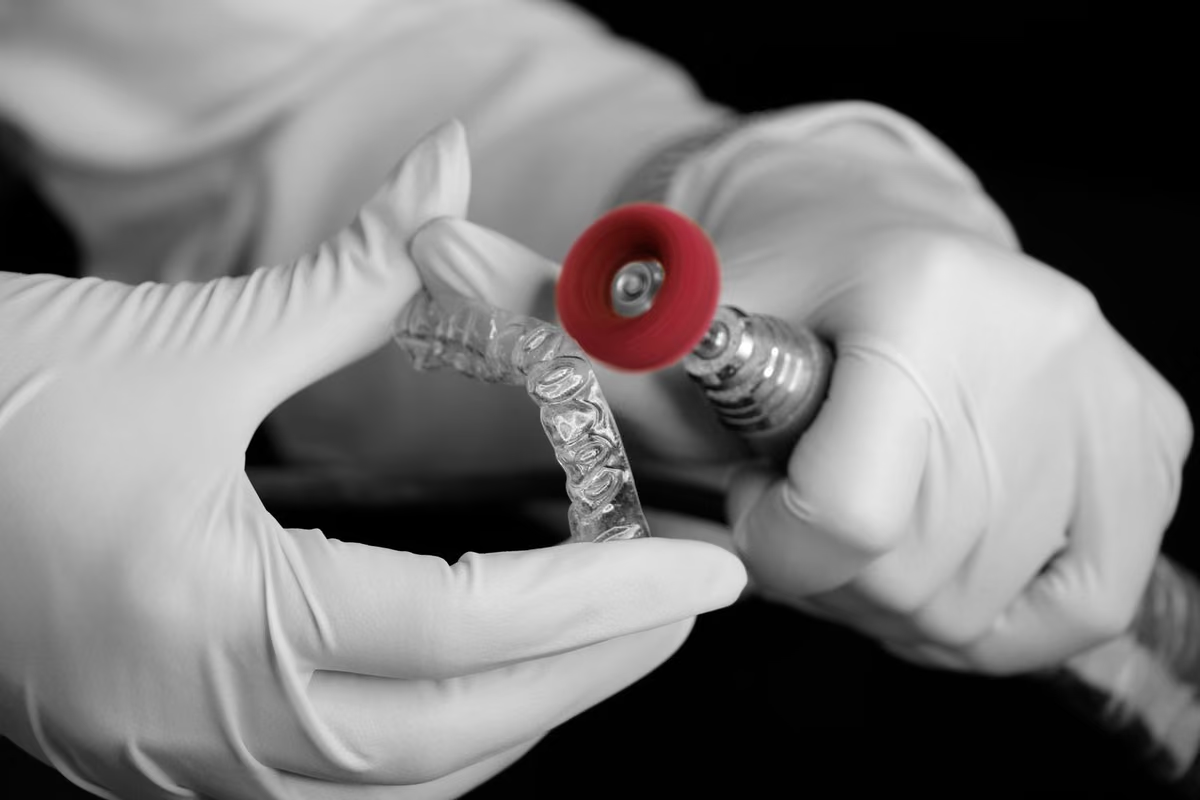
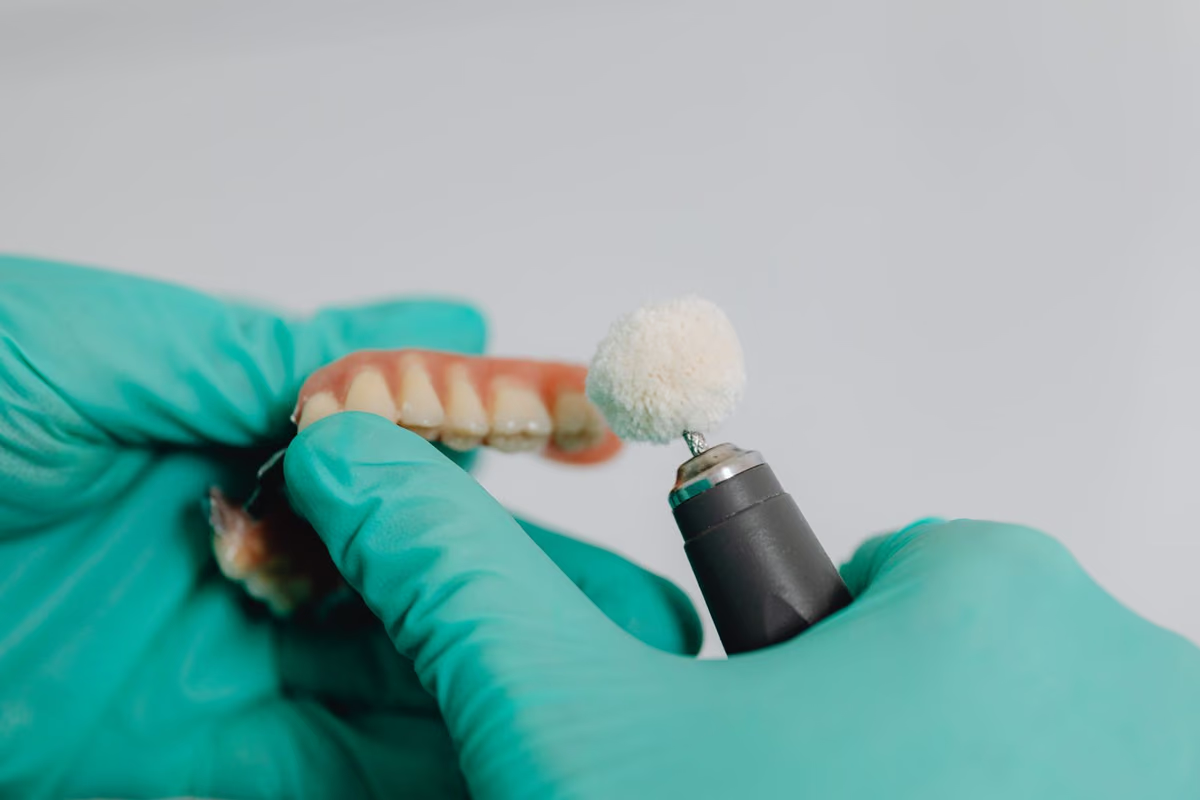
The composite is buffed away with a polishing instrument and the enamel beneath is polished smooth. A few minutes per tooth, no anaesthetic, nothing drilled. Because the composite bonded to the outer surface rather than into the tooth, what is underneath is your own enamel, unchanged.
Two honest caveats. Teeth can feel briefly sensitive afterwards, and your tongue will spend a day insisting something is missing. And if hygiene around an attachment was poor for a long time, a paler patch can show once it is off — which is the real reason the brushing advice above is not boilerplate.
After that comes the retainer, which is the part that decides whether any of this lasts. Results vary between patients, and finished cases in our before and after gallery are individual outcomes rather than a typical one. You can check any dentist's registration with the Malaysian Dental Council before starting treatment anywhere.
Finding out what your own plan needs
Attachments are decided at the planning stage, not sprung on you later — the iTero scan produces a simulation of your result and the attachment positions that go with it, before you commit to anything. If their appearance matters to you, that is the conversation to have then. Our consultation starts from RM30 and waived if you start treatment the same day. See the Invisalign KL treatment page for how the process runs, the price guide for the full RM6,000 to RM18,000 breakdown, and whether Invisalign suits your case if you are still deciding. If attachments are the sticking point, our comparison with fixed braces covers the alternative honestly.
This article is for general information and is not a substitute for a clinical assessment. The number, position and shape of attachments are individual to each patient and confirmed only after examination and scanning. Back to top